
CAD/BIM Comparisons and Evaluations
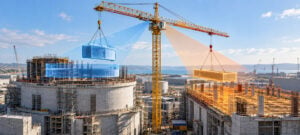
BIM Coordination at Hinkley Point C: What 4D BIM Reveals
See how 4D BIM adds time to BIM coordination at Hinkley Point C, exposing scheduling, access, crane and logistics conflicts before work begins.
Read More
Digital Twin Technology for Switzerland’s Rail Network
Switzerland is using digital twin technology to represent its rail network. See what CAD and BIM teams can learn from this ambitious undertaking.
Read More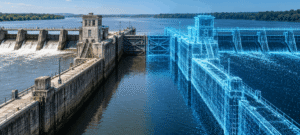
How Do You Create a Digital Twin of a 100-Year-Old Lock and Dam?
See how engineers use 3D scanning, point cloud data and historical records to create a digital twin for infrastructure asset management.
Read More
Your CAD Model Looks Great, So Why Is the Engineer Nervous?
AI-generated CAD is getting remarkably convincing. Discover what CADEngBench reveals about AI, parametric CAD, engineering design and the future of CAD.
Read More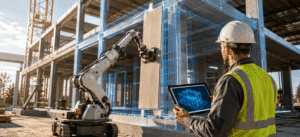
Construction Robots and the Future of BIM
Construction robots are changing the jobsite. See how BIM data, human judgment and reliable CAD standards will shape safer, smarter automation.
Read More
The Tallest Tower in Texas
Explore how BIM, MEP coordination and multidisciplinary engineering help make the tallest building in Texas, Austin’s 1,025-foot Waterline tower, possible.
Read More
BIM Masterclass: Modeling the Lucas Museum
With most buildings, you can tell how they were put together simply by looking at them. You can usually spot the columns, follow the roofline and understand how the walls carry the load. Even the most impressive skyscrapers reveal a certain logic. Steel supports concrete, beams support floors and gravity does the rest.
Read More
Why The Digital Twin Matters: The World’s Most Impressive Digital Twins Projects
If you work in CAD or BIM, you already live in the world of digital replicas. You build virtual models before a single beam goes up, catch clashes before they become expensive surprises and hand off data-rich files that outlast the project itself. You’re basically a digital twin pioneer, even if your job title doesn’t say so.
Read More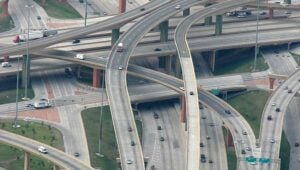
The World’s Most Complex Highway Interchanges: Designed in BIM First
Once upon a time, 3D design was, at best, considered “optional.” But modern interchanges have become so geometrically and operationally complex that 3D-first is no longer relegated to just being a choice.
Read More